


The Years that Shape the Future: Why the Middle Years of Education Matter
20th November 2026
The journey towards GCSEs, A Levels and beyond begins long before pupils enter the examination years. For parents considering the next stage of their child’s education, the middle years offer a valuable opportunity to lay the foundations for the future.
We don’t expect children to know what subjects they will take, what career they want to pursue, or have their future mapped out at this stage. What matters is giving them the time, experiences and support to discover their interests, recognise their strengths and develop the confidence, independence and healthy learning habits that will help them make informed choices as they grow.
At Langley, we believe Years 7–9 are about much more than preparing for examinations. They are about developing the knowledge, habits and personal qualities that enable young people to approach learning and life with curiosity, confidence and a genuine sense of possibility.
Farrah, Head of Senior School, describes her ambitions for Langley becoming the ‘school of choice’ for pupils:
School of choice. Not just based on academic outcomes, but based on all of the other stuff that comes with Langley. That’s what makes us unique.
A Formative Period for Learning, Development and Engagement
Early adolescence is a period of considerable change. Young people are developing their identity, becoming increasingly independent and beginning to form a stronger sense of who they are and what matters to them.
The OECD’s Education Policy Outlook 2025 describes early to mid-adolescence as a decisive period in the lifelong learning journey. During these years, young people develop their sense of agency, their identity as learners, and the motivation and skills needed to continue learning throughout life.
This presents both an opportunity and a responsibility for education.
Research published in Review of Education in 2026, led by Professor Jennifer Symonds at UCL, analysed 125 longitudinal studies involving adolescents aged 10–18. Its findings identified an average decline in student engagement across adolescence, with particularly pronounced changes during early adolescence and around school transitions.
The implication is important. Rather than simply expecting pupils to become increasingly motivated, resilient and independent as they get older, schools can actively help develop these qualities through the experiences, relationships and learning environments they provide.
A positive relationship with learning, established early, can help pupils approach challenges with greater confidence, remain engaged when work becomes difficult and recognise that improvement comes through effort, practice and reflection.
The middle years are therefore not simply a period to get through before GCSEs begin. They are an opportunity to invest in the foundations that will support pupils throughout their education and beyond.
Developing the Habits that Help Young People Thrive
One of the most valuable things about Years 7–9 is that pupils are quietly developing habits that extend well beyond their immediate academic studies. These influence how they approach challenges, manage responsibilities, build relationships and make decisions.
Rather than thinking about preparation for GCSEs purely in terms of subject knowledge, it is helpful to consider the broader foundations pupils are developing during these years.
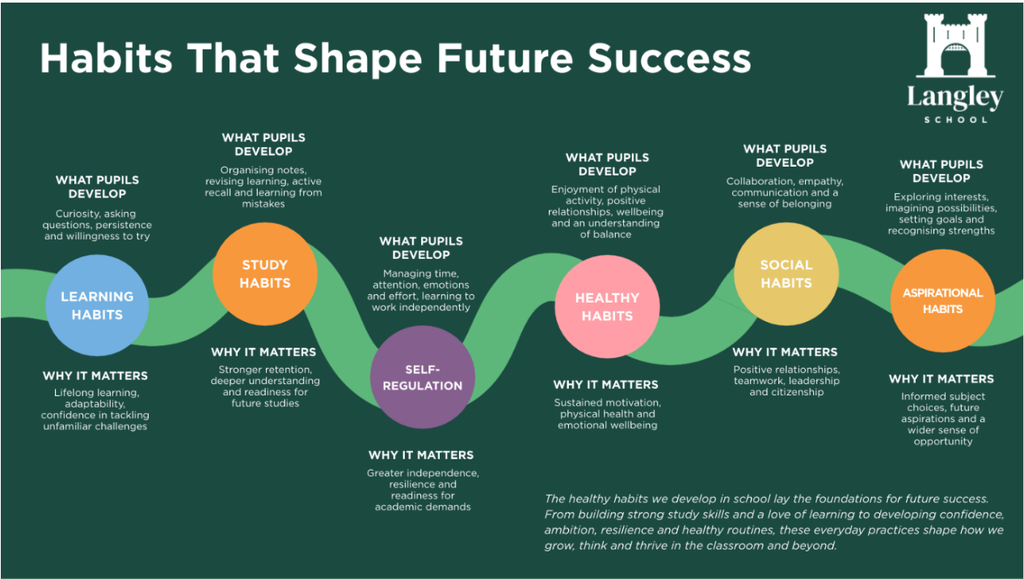
These habits emerge through everyday experiences. Remembering equipment, managing a timetable, completing homework thoughtfully, responding to feedback and knowing when to ask for help may seem like small steps. However, they help pupils develop the organisation, self-regulation and independence that will become increasingly important as academic demands grow.
Equally important is learning how to approach mistakes. Years 7–9 provide valuable opportunities to encounter challenge, receive feedback and discover which approaches help them improve. Developing the confidence to try again, rather than becoming discouraged by difficulty, is an important foundation for resilience. Clare Rackham, our Executive Head explains what students need to understand from adults during their education :
…the ability to go wrong and to not worry.
Healthy habits also extend beyond academic study. Physical activity, positive relationships, time outdoors, participation in sport and creative experiences all contribute to wellbeing and a sense of belonging. Learning how to balance schoolwork with interests, friendships and rest is an important part of preparing pupils for the demands of later education.
Learning How to Learn: The Foundations of Academic Success
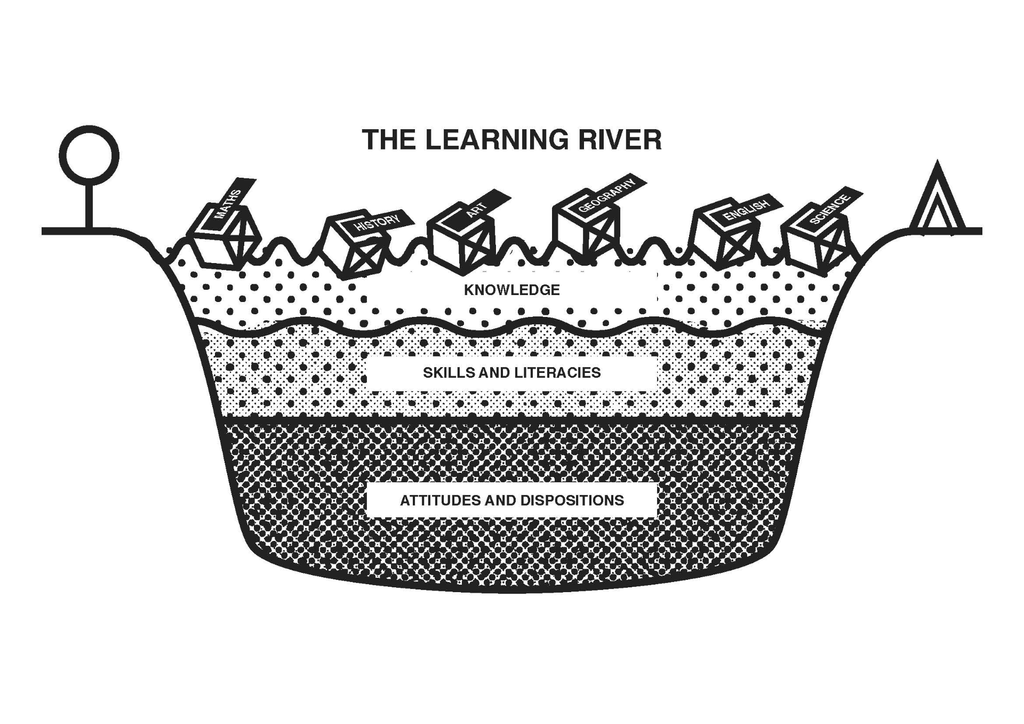
The academic foundations established during the middle years are just as important.
In subjects such as English and Mathematics, pupils build knowledge and skills progressively, with each new step drawing on what has come before. Developing secure foundations allows pupils to tackle increasingly complex ideas with confidence, rather than simply moving on before understanding is firmly established.
Reading comprehension, analytical writing, problem-solving and reasoning skills also develop incrementally over time. The ability to understand a text, construct an argument, explain a method or evaluate information is relevant across a wide range of subjects and becomes increasingly important as children progress through education and in the workplace.
However, academic success depends on more than what pupils know. It also depends on how they approach learning.
Developing effective independent study habits during Years 7–9 allows pupils to practise these skills before the demands of formal examination courses intensify. Pupils benefit from learning to revisit material regularly, organise their notes, prepare for assessments and use feedback to identify areas for improvement.
Another particularly valuable habit is active recall: encouraging pupils to retrieve information from memory rather than simply rereading it. Explaining what they have learned, answering questions without looking at their notes or testing themselves on previous material can help strengthen understanding and memory.
Langley actively encourages pupils to revisit and recall their learning regularly. This helps strengthen memory, deepen understanding and support mastery. It is an approach that matters both in school and at home: talking through what has been learnt, recalling key ideas and practising them over time can help knowledge become more secure.
Developing executive Function and learning power
Helping Every Child Reach their Potential Through Tailored Support
Children do not all learn in the same way, develop at the same pace or respond to the same approaches. Some thrive when given the opportunity to explore independently; others benefit from more structure, modelling or encouragement before they feel confident to take the next step.
This belief in individual potential is reflected in how we teach. Through adaptive teaching, staff respond to pupils’ understanding and progress and adjust the support, guidance and challenge they receive. Expectations remain ambitious for everyone, but the pathway towards achieving them may look different.
We don’t dictate how teachers should teach. Every teacher has their own personality, and we don’t want to lose that – I think it’s really important. What we do have are clear, consistent routines, alongside a commitment to inclusive and adaptive teaching, making sure we meet the needs of all pupils.
This balance of high challenge and high support helps pupils build the knowledge, skills and confidence to become increasingly independent learners. It means providing scaffolding when it is needed, encouraging pupils to persevere when learning feels difficult, and recognising when they are ready to take on greater responsibility or explore ideas in more depth.
Discovering Strengths, Interests and Future Possibilities
The middle years mark an important time for pupils to discover what genuinely interests them.
By giving children access to a broad curriculum and experiences they may not have considered, they may discover an unexpected passion or recognise that a particular subject becomes more enjoyable when approached differently. These experiences can have a lasting influence on motivation and confidence.
Research from the OECD highlights the importance of intrinsic motivation and enjoyment in learning. Pupils who enjoy discovering new things are more likely to engage with effective learning strategies and develop the confidence and competence that support continued progress.
This is particularly relevant during early adolescence, when interests, relationships and a growing sense of identity can impact how pupils engage with education.
Langley continually offers exciting opportunities beyond the core curriculum at our Prep School and Senior School, helping ensure there is something for everyone while allowing pupils to discover interests that may shape future pathways. From sport, food and nutrition to photography, the arts and drama, these experiences encourage pupils to explore, collaborate, develop skills and find areas in which they want to progress further.
The Right School at the Right Transition Point for your Child
There is no single blueprint for a successful educational journey. Children develop at different rates, discover their interests at different times and thrive in different environments. For parents, choosing a school is therefore about more than selecting the next academic stage: it is about finding the right setting, support and timing for their child and whole family.
Langley recognises that transition into Senior School can be right at two different points: Year 7 or Year 9. Both offer valuable opportunities, and our approach is shaped by the belief that the best educational decisions begin with understanding the individual child.
Staying at Prep School for Years 7 and 8
For some children, Years 7 and 8 at Prep provide a particularly valuable opportunity to build confidence, develop independence and prepare for the next stage while remaining within a familiar, supportive environment.
These are far from simply years of waiting for Senior School. At Langley Prep, pupils increasingly take on leadership and responsibility, including Head Boy and Head Girl roles, senior prefect positions, mentoring younger pupils, the Wensum Award and international trips. Programmes such as our bespoke life skills programme and Young Entrepreneurs introduce further opportunities to develop initiative, resilience and practical skills.
Alongside this personal development, specialist teaching and a developing curriculum help pupils prepare academically for Senior School. By introducing and strengthening foundations ahead of the next stage, pupils can approach new subjects, greater independence and eventual GCSE choices with growing confidence.
Starting Senior School in Year 7 or Year 9
For pupils joining Langley from another primary school, Year 7 provides a natural opportunity to make the transition into Senior School, with time to settle into new routines, build friendships and grow in confidence within a new learning environment.
Year 9 can offer another natural point of entry, particularly for pupils completing their Prep education. It provides an opportunity to join Senior School at a significant point in their educational journey, with individual guidance and support as they prepare for GCSE choices.
Preparing for Future Choices
By Year 9, pupils are beginning to consider their GCSE options. These choices can influence the subjects available to them at A Level and, in turn, future opportunities in further education, university and careers.
Yet choosing well requires more than knowing which subjects are considered academically advantageous.
It means understanding what genuinely interests a pupil, where their strengths lie, what they enjoy learning and where they might benefit from further challenge. It also means recognising that interests and ambitions will continue to evolve.
The experiences pupils have during Years 7–9 can help them make these decisions with greater confidence. A pupil who has explored different subjects, developed positive learning habits and received individual guidance is better placed to consider which pathways reflect their abilities and aspirations.
Importantly, these years should help keep possibilities open rather than narrow them prematurely.
At Langley, subject-specific guidance and an individualised approach help pupils consider their GCSE choices thoughtfully. Alongside the core curriculum, pupils can choose four optional subjects, enabling them to tailor aspects of their education to their interests and goals. Staff can draw on their understanding of each pupil’s strengths, interests and progress to support decisions that reflect individual potential.
Understanding Career Possibilities
Alongside academic learning, developing an awareness of careers and the wider world can help pupils begin to understand how their interests, strengths and learning might connect with future opportunities. During Years 7–9, this is less about identifying a particular career and more about broadening horizons, asking questions and recognising the many different pathways available.
At Langley, we place considerable emphasis on personal development during these formative years. Our personal development programme encourages pupils to reflect on the kind of person they want to become, the values that matter to them and how they might contribute to the world around them. Practical topics, including financial understanding and personal finance, also build knowledge and skills that will be valuable well beyond the classroom.
The purpose is not to encourage children to make career decisions prematurely. Rather, it is to help them understand themselves, appreciate the possibilities available and develop the confidence to make thoughtful, informed choices as their interests and ambitions evolve.
Building Strong Foundations at Langley School
The middle years of education deserve to be valued for what they are: a formative period in which young people develop the habits, attitudes and confidence that will influence their future.
This does not mean children need to know what they want to do in ten years’ time. Nor does it mean that difficulties encountered in Year 7 determine outcomes at 16.
Rather, Years 7–9 provide a valuable opportunity to invest in the foundations pupils need as they progress through education.
To explore interests before making choices. To develop healthy habits before academic demands intensify. To build confidence through challenge, belonging and achievement. And to discover that learning is something to enjoy, engage with and take ownership of.
At Langley, we believe every child deserves the opportunity to experience these years in an environment that recognises their individuality, nurtures their potential and encourages them to achieve their best.
For families considering the next stage of their child’s education, our Admissions team would be delighted to talk through the options available at Langley Prep and Langley Senior, and help you explore which setting and transition point might be the best fit for your child.
You can also visit Langley Senior at our Years 7–9 Open Morning on Monday 30th November, where you can meet staff, discover our approach to learning, explore the opportunities available and see school life in action.


Design by Desire Path Agency Built by Netmatters
© Copyright Langley School 2026. All rights reserved.